
𝐅𝐆 𝐩𝐫𝐨𝐦𝐢𝐬𝐞𝐬 𝐞𝐧𝐝 𝐭𝐨 𝐟𝐫𝐞𝐪𝐮𝐞𝐧𝐭 𝐩𝐨𝐰𝐞𝐫 𝐠𝐫𝐢𝐝 𝐜𝐨𝐥𝐥𝐚𝐩𝐬𝐞𝐬
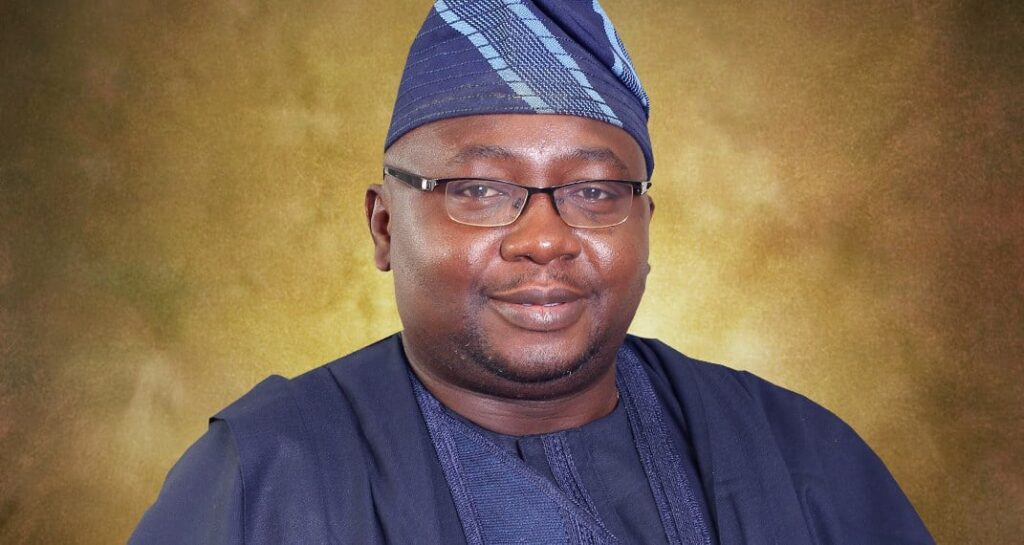
The Minister of Power, Adebayo Adelabu, says the Federal Government is working to eliminate frequent grid collapses and ensure a more reliable and stable electricity supply across the country.
Speaking in Uyo, Akwa Ibom State, during the maiden NISO Management Retreat 2025, Adelabu—represented by the Ministry’s Permanent Secretary, Alh. Muhammadu Mamman—said President Bola Tinubu’s administration introduced new approaches from inception to stabilise the grid and reduce nationwide power outages.
He explained that the creation of the Nigerian Independent System Operator (NISO) was one of the major steps taken to ensure reforms in the power sector are implemented more effectively.
Nigeria has long struggled with recurring grid failures resulting from ageing infrastructure, inadequate funding, and vandalism—problems that have caused repeated nationwide blackouts and forced businesses and households to rely on costly generators.
Adelabu said the current administration is committed to changing this pattern.
“Since the commencement of this administration, things have been done differently. The creation of NISO is part of government’s effort to stabilise the grid, reduce outages and ensure every Nigerian has access to electricity,” he said.
He added that the NISO retreat provides a platform for improved collaboration and better decision-making:
“This retreat is an avenue for them to dialogue and ensure they are doing things differently. We are here to support their success and make sure the country achieves adequate and stable power supply.”
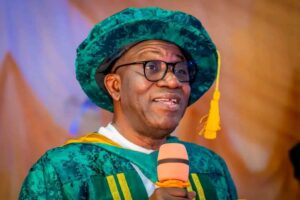
The Chairman of NISO’s Board of Directors, Dr. Adesegun Akin-Olugbade, praised the organisation’s staff for their dedication, noting it was their commitment that led to the successful synchronisation of Nigeria’s power grid with the West African Power Pool (WAPP).
He said the achievement demonstrated professionalism and strengthened cooperation across the region, with Nigeria’s grid operating at a unified frequency with Niger, parts of Benin, Togo, and other West African countries for four uninterrupted hours.
Also speaking, NISO Managing Director, Abdul Mohammed, said the agency was established to support government efforts by boosting private-sector participation and improving existing investments in the power sector.
Responding to concerns about the sector’s huge investments and the lack of corresponding improvement in electricity supply, Mohammed noted that power generation and distribution remain highly capital-intensive, and past funding levels have been insufficient to meet national demand.