
𝗛𝗼𝘄 𝗠𝘆 𝗧𝗿𝘂𝘀𝘁𝗲𝗱 𝗦𝗲𝗰𝘂𝗿𝗶𝘁𝘆 𝗔𝗶𝗱𝗲 𝗛𝗲𝗹𝗽𝗲𝗱 𝗢𝘃𝗲𝗿𝘁𝗵𝗿𝗼𝘄 𝗠𝗲 — 𝗚𝗼𝘄𝗼𝗻
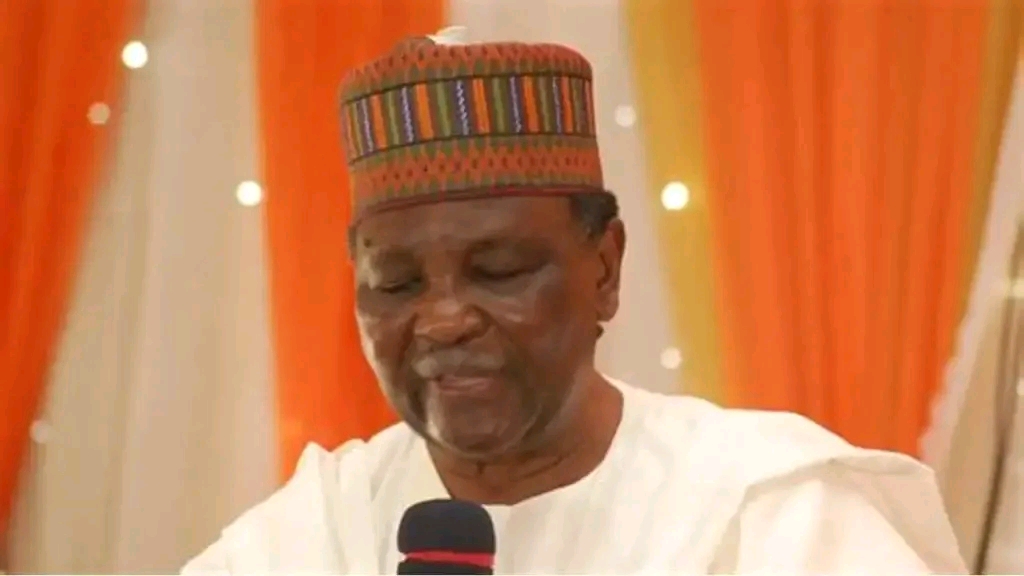
Former Nigerian Head of State, , has reflected on the events surrounding the 1975 military coup that removed him from power, revealing details of what he described as a painful betrayal by his trusted security aide, Joseph Garba.
In his new autobiography, Gowon recounted how Garba, who served as a close security associate, allegedly played a key role in the coup that ended his administration while he was away attending an international summit.
The former military leader described the experience as deeply shocking and emotionally painful, especially because of the trust and confidence he had placed in Garba before the overthrow.
According to Gowon, the betrayal remains one of the most difficult moments of his political and personal life, despite the passage of many decades.
The 1975 coup marked a major turning point in Nigeria’s political history, leading to the emergence of General Murtala Mohammed as Head of State.
Political historians say Gowon’s revelations provide fresh insight into the internal tensions, loyalties and power struggles that characterised Nigeria’s military era.
The autobiography has generated reactions among Nigerians interested in the country’s political history and the events that shaped military rule in the past.
Analysts believe the account may renew public discussion about leadership, loyalty and the legacy of Nigeria’s post-independence political transitions.
Gowon remains one of the most recognised figures in Nigeria’s political history, having led the country during the civil war era and several key national events.