
𝗚𝗼𝘄𝗼𝗻 𝗦𝗵𝗼𝘂𝗹𝗱 𝗔𝗽𝗼𝗹𝗼𝗴𝗶𝘀𝗲 𝗧𝗼 𝗜𝗴𝗯𝗼 𝗢𝘃𝗲𝗿 ‘𝗣𝗮𝗹𝗺 𝗧𝗿𝗲𝗲’ 𝗪𝗮𝗿 𝗖𝗼𝗺𝗺𝗲𝗻𝘁 — 𝗢𝗻𝗼𝗵
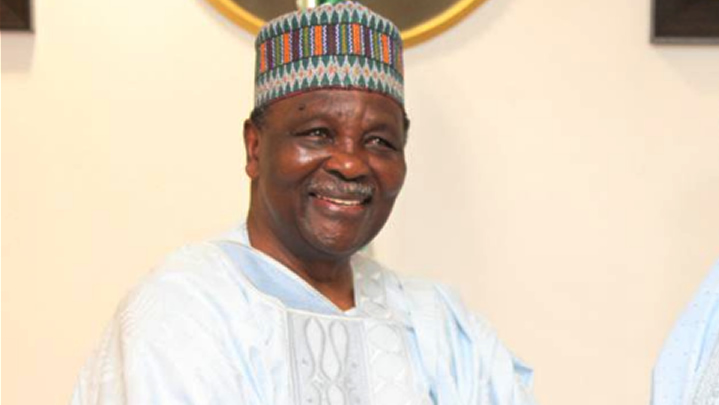
A political figure, Onoh, has called on former Nigerian Head of State, Yakubu Gowon, to apologise to the Igbo people over remarks linked to the Nigerian Civil War commonly referred to as the “Palm Tree” comment.
According to Onoh, the statement has continued to generate emotional reactions among many Nigerians, especially within the South-East, due to the painful memories associated with the civil war period.
He argued that a public apology from Gowon would promote healing, reconciliation and national unity decades after the conflict ended.
The comments have reignited conversations about Nigeria’s civil war history, historical narratives and unresolved emotions surrounding the conflict.
Political observers say discussions about the civil war remain highly sensitive because of the deep humanitarian and political impact the conflict had on millions of Nigerians.
Supporters of Onoh’s position insist that acknowledging historical grievances is important for genuine reconciliation, while others believe the focus should remain on national unity and moving forward.
The Nigerian Civil War, fought between 1967 and 1970, remains one of the most defining and controversial periods in the country’s history.
Historians and analysts continue to debate different aspects of the war, including leadership decisions, military actions and post-war reconciliation efforts.
The renewed debate has generated reactions across political, academic and social media circles nationwide.