
𝐊𝐞𝐛𝐛𝐢, 𝐁𝐚𝐮𝐜𝐡𝐢 𝐠𝐨𝐯𝐬 𝐩𝐫𝐞𝐬𝐞𝐧𝐭 𝟐𝟎𝟐𝟔 𝐛𝐮𝐝𝐠𝐞𝐭𝐬 𝐭𝐨 𝐥𝐚𝐰𝐦𝐚𝐤𝐞𝐫𝐬
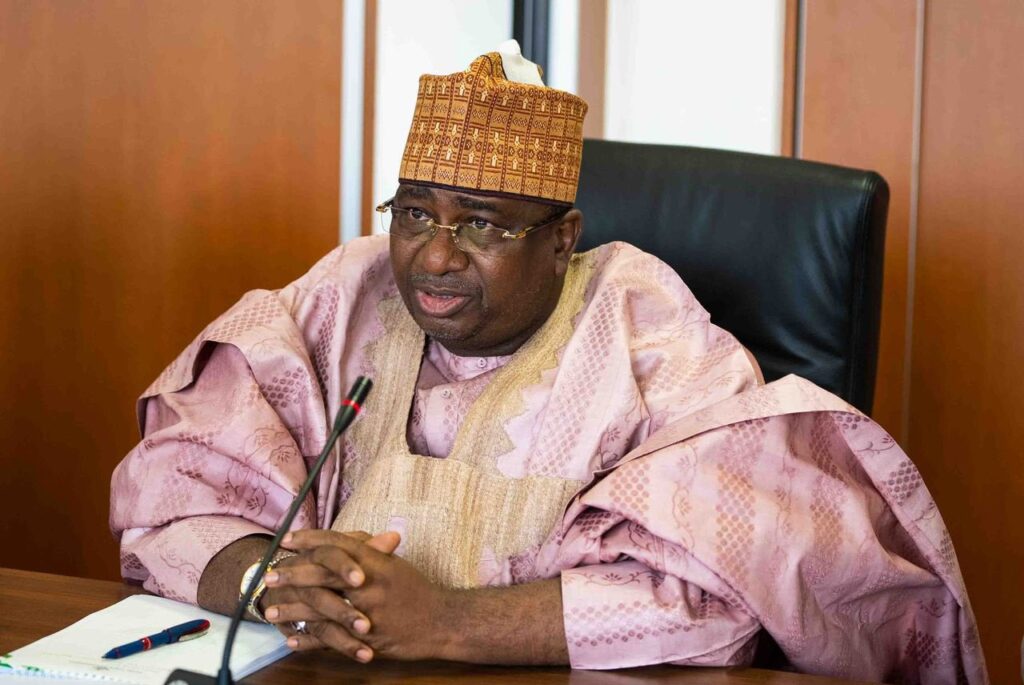
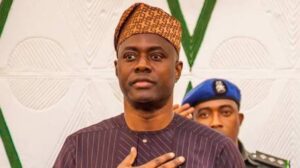
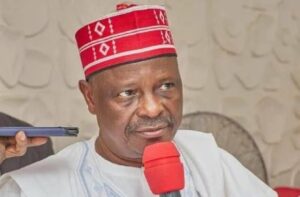
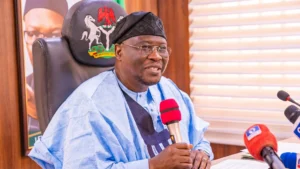
Kebbi and Bauchi State governors on Thursday presented their 2026 budget proposals to their Houses of Assembly, outlining spending plans aimed at accelerating development and strengthening key sectors across both states.
Kebbi State Governor, Nasir Idris, laid before lawmakers a N642.93bn budget tagged “Budget of Growth, Transformation and Physical Development.” The proposal allocates N479.5bn to capital projects and N163.57bn to recurrent expenditure.
Idris said the budget prioritises agriculture—the backbone of Kebbi’s economy—through modern farming inputs, expanded irrigation, and rural farmer support, all geared toward improving food security. He also highlighted youth and women empowerment programmes focused on skills acquisition and self-reliance.
“This budget harmonises our transformation agenda with projects that reach the grassroots,” he said, urging public support.
The Speaker of the Kebbi State House of Assembly, Mohammed Zuru, commended the early submission and assured speedy legislative consideration within a week. He praised the cordial working relationship between the executive and legislature, describing it as an improvement on previous administrations.
The budget marks another step in the Idris administration’s efforts to boost agriculture, education, and infrastructure following increased investment over the past year.
In Bauchi, Governor Bala Mohammed presented a N878.1bn Appropriation Bill during a special session at the International Conference Centre, Bauchi. Tagged “Budget of Consolidation and Sustainability,” the proposal aims to strengthen ongoing reforms while addressing emerging economic challenges.
Mohammed said the budget was developed through extensive consultations with communities, stakeholders, and experts to ensure that government priorities align with citizens’ needs. He described the draft as a roadmap for sustainable growth, social inclusion, and resilient infrastructure.
Key sectors receiving major allocations include education, healthcare, agriculture, rural roads, water supply, and youth empowerment. The governor reaffirmed his commitment to completing ongoing projects and initiating new ones that create jobs and stimulate local economies.
The Commissioner for Budget, Economic Planning and Multilateral Coordination, Amina Katagum, noted a 79.1% performance of the 2025 budget as of September. She explained that the proposed N878.15bn 2026 budget includes N450.67bn recurrent revenue—comprising statutory allocation (N89.36bn), VAT (N100bn), internal revenue (N64.61bn), and other FAAC inflows (N196.70bn).
Projected capital receipts stand at N427.48bn, including an opening balance of N11.99bn, aids and grants (N100.35bn), federal borrowing (N266.15bn), and other capital receipts (N49bn).
Recurrent expenditure is estimated at N310.69bn, covering personnel costs (N106.84bn) and overheads (N204.94bn). Capital spending is projected at N567.47bn, giving a 65:35 capital-to-recurrent ratio.