
PRESIDENCY DISMISSES CLAIM TINUBU BORROWED ₦120 TRILLION IN THREE YEARS
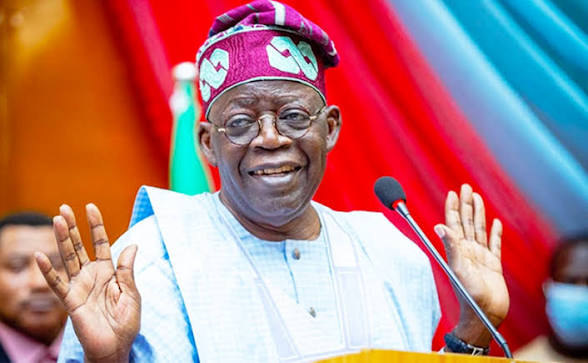
The Presidency has dismissed claims that President Bola Tinubu borrowed ₦120 trillion within three years of assuming office, describing the allegation as misleading and politically motivated.
Dada Olusegun, Special Assistant to the President on Social Media, addressed the controversy in a statement shared on X on Sunday, November 8, 2026.
He argued that a viral comparison claiming that 16 previous Nigerian leaders borrowed a combined ₦46 trillion over 63 years, while Tinubu borrowed ₦120 trillion in just three years despite removing the fuel subsidy, presented an inaccurate picture of the country’s debt profile.
According to Olusegun, the comparison failed to account for financial obligations inherited from previous administrations and changes in the exchange rate that increased the naira value of Nigeria’s foreign debt.
He explained that the ₦46 trillion figure represented Nigeria’s reported public debt at the end of 2022 but did not include about ₦22.7 trillion in Central Bank of Nigeria Ways and Means advances, which were subsequently recognised in the country’s official debt records.
The presidential aide also argued that the naira’s depreciation following exchange-rate reforms increased the reported value of existing foreign-currency debt without the government taking out equivalent new loans.
Olusegun further maintained that the removal of the petrol subsidy had increased revenue shared among the federal, state and local governments through the Federation Account Allocation Committee (FAAC).
However, independent fact-checkers have cautioned that the viral ₦120 trillion borrowing claim is not supported by the figures presented. They also stressed that the increase in Nigeria’s total public debt should not automatically be treated as fresh borrowing, as exchange-rate adjustments, recognised liabilities, repayments and refinancing all affect the debt stock.
According to Debt Management Office figures cited by FactCheckAfrica, Nigeria’s public debt stood at approximately ₦166.79 trillion as of June 30, 2026.
The debate has renewed public scrutiny of the Tinubu administration’s borrowing, subsidy removal and management of government finances, particularly amid continuing concerns about the cost of living and the country’s rising debt obligations.