
EKITI @30: OYEBANJI UNVEILS 30-YEAR TRANSFORMATION AGENDA
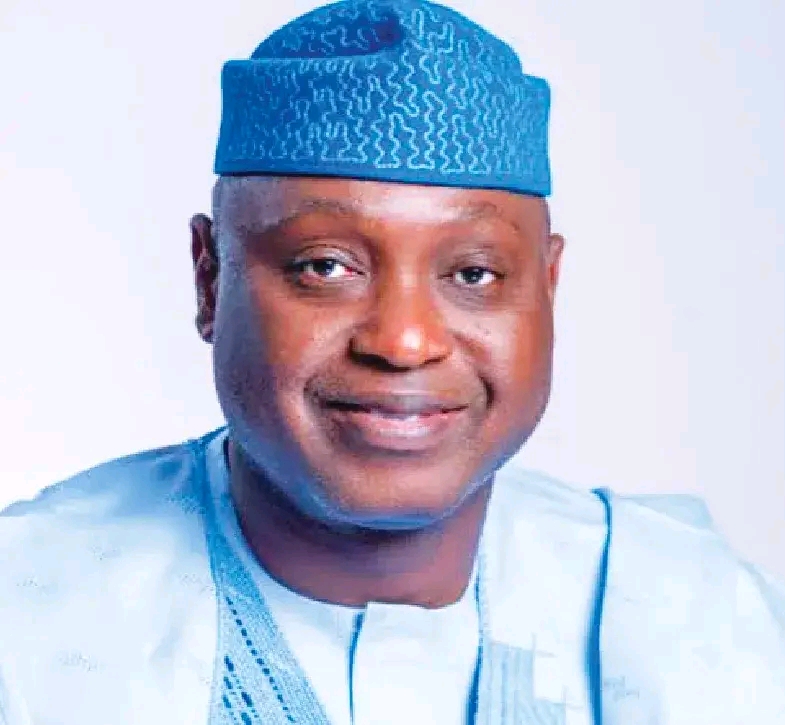
Ekiti State Governor Biodun Oyebanji has unveiled a 30-year transformation agenda aimed at repositioning the state as a major hub for technology, agriculture, education, tourism and commercial activities.
Oyebanji announced the plan on Thursday, October 1, 2026, during a statewide broadcast marking the 30th anniversary of Ekiti State’s creation and Nigeria’s 66th Independence Anniversary.
The governor described Ekiti’s journey over the past three decades as one of significant progress despite economic challenges and limited financial resources. He said the state had recorded improvements in key human development indicators and had reasons to celebrate its achievements.
Ekiti was created on October 1, 1996, by the late military Head of State, General Sani Abacha, alongside five other states: Bayelsa, Ebonyi, Gombe, Nasarawa and Zamfara.
Oyebanji paid tribute to the individuals and groups who campaigned for the state’s creation, including the Committee for the Creation of Ekiti State, led by Chief Oladeji Fasuan, legal icon Afe Babalola and traditional rulers who supported the struggle.
The governor, who served as secretary of the state creation committee before becoming governor, described his role in leading Ekiti at its 30th anniversary as a humbling experience. He also acknowledged his predecessors and other leaders who contributed to the state’s development.
Unveiling the anniversary theme, “Ekiti at 30: Celebrating the Past and Creating the Future,” Oyebanji said the proposed transformation agenda would focus on agricultural production and agro-processing, technology and innovation, functional education, research, tourism, youth entrepreneurship and sustainable development.
He highlighted the ongoing Ekiti Knowledge Zone project, describing it as a technology park designed to support innovation, attract investment and create opportunities for young people.
Oyebanji said his administration hoped to transform Ekiti from a state widely associated with civil service employment into a technology and commercial centre over the next three decades.
He reaffirmed his commitment to the vision of Ekiti’s founding fathers, stressing that the state’s human and natural resources must be harnessed to promote productivity, private-sector investment and improved living standards.