
APC, ATIKU CLASH OVER TINUBU’S POWER REFORMS
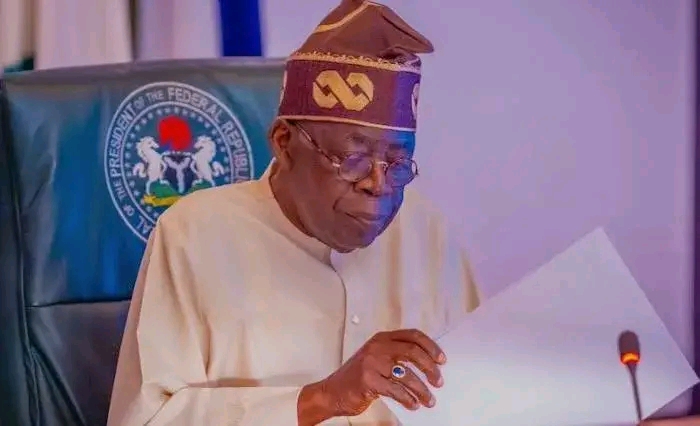
The All Progressives Congress Presidential Campaign Council (APC PCC) and former Vice-President Atiku Abubakar have disagreed over President Bola Tinubu’s performance in the power sector, with the ruling party defending its reforms and the opposition questioning their impact.
While the APC insists that Tinubu remains committed to his 2023 campaign promise of stable electricity, Atiku and other opposition figures argue that Nigerians are yet to experience meaningful improvements.
The disagreement comes amid persistent power outages affecting households and businesses across the country, more than three years after Tinubu assumed office.
In a statement issued on Sunday, APC PCC spokesperson and Minister of Solid Minerals, Dele Alake, urged Nigerians to assess the President’s original electricity pledge in its entirety, including his promise to provide adequate explanations if he failed to deliver before seeking re-election.
During the 2023 campaign, Tinubu had promised that Nigerians would enjoy reliable electricity and no longer pay estimated bills. He also challenged voters not to support his second-term ambition if he failed to fulfil the promise without providing satisfactory reasons.
Alake argued that the administration had taken deliberate steps to address longstanding problems in the electricity sector.
According to him, Tinubu signed the Electricity Act 2023 on June 9, barely two weeks after assuming office. The law allows state governments to establish regulatory agencies and participate in electricity generation, transmission and distribution.
The APC spokesperson listed Lagos, Enugu, Abia, Ekiti, Oyo, Kaduna and Niger among states that have begun taking advantage of the legislation to attract private investment into their electricity markets.
He also said the Federal Government had assumed responsibility for more than ₦6 trillion in legacy debts accumulated between 2015 and 2025, while introducing the Presidential Metering Initiative to address a national shortfall of over seven million meters.
Alake disclosed that more than 1.5 million customers had been metered under the initiative in the last three years.
Other interventions highlighted by the council include solar electricity projects for universities, hospitals and rural communities through the Rural Electrification Agency, as well as plans to modernise the Osogbo Grid Control Centre and construct an East-West super grid.
The APC PCC further disclosed that the government established a ₦4 trillion bond programme to settle verified legacy debts owed to 21 power generation and gas companies. It said the first two tranches had raised more than ₦1.2 trillion.
The council maintained that these measures were repositioning the power sector and creating room for fresh investment, although it acknowledged that resolving the electricity crisis remained unfinished.
Opposition figures, including Atiku Abubakar, Peter Obi and Oyo State Governor Seyi Makinde, have continued to criticise the administration over the state of electricity supply ahead of the 2027 general elections.
The disagreement has once again placed Tinubu’s electricity campaign promise under scrutiny, with Nigerians continuing to demand reliable power and an end to the challenges affecting homes and businesses.