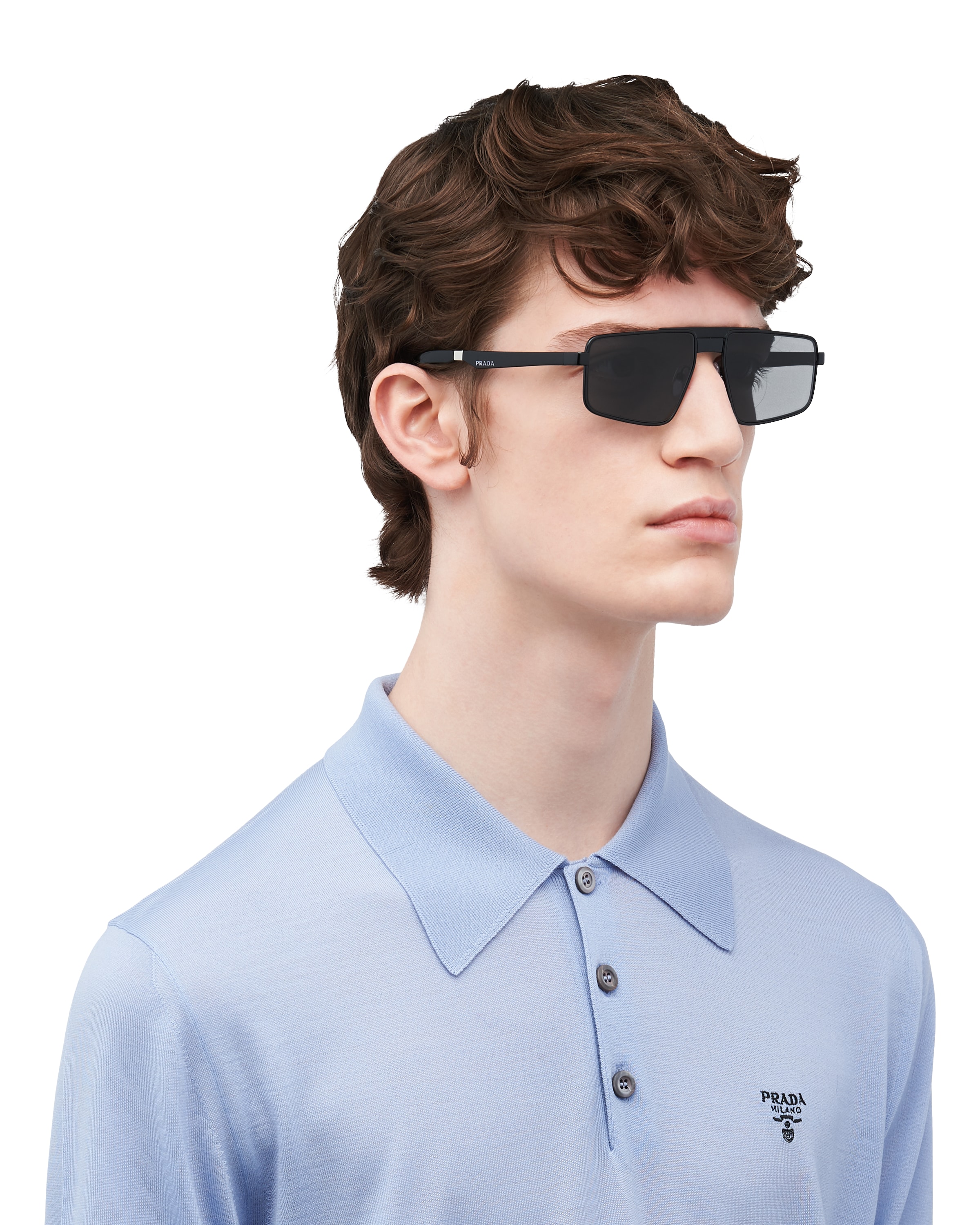

Casablanca Clothing Lightweight Fit Marked Down Items
Why Proper Care Is Important for Casablanca Clothing
Casablanca clothing is crafted with luxury fabrics, detailed prints and careful craftsmanship that warrant its high-end price points. In 2026, with the price of a single silk shirt sitting between 700 to 1 200 dollars and knitwear from 450 to 900 dollars, managing these garments with the same attention as inexpensive basics is a fast road to frustration. Careful maintenance preserves the brightness of prints, the softness of fabrics and the form of pieces, ensuring that each piece delivers value over multiple seasons rather than merely some months. Beyond preserving your personal investment, thoughtful care is an environmental act: garments that hold up longer generate less waste and minimise the demand for substitute purchases. This resource delivers detailed, hands-on advice for caring for every main fabric class in the Casablanca range—silk, cotton, knitwear, fleece and blended materials—along with organisation, spot management and restoration techniques that will extend the life of your wardrobe significantly.
Caring for Silk Shirts, Dresses and Scarves
Silk is the most delicate fabric in the Casablanca range and demands the highest level of handling. Every time review the care label first, as some silk pieces are marked specialist wash only while others permit delicate hand-washing. For hand-washing, fill a basin with cool water no warmer than 30 degrees Celsius and pour in a tiny amount of mild detergent specifically designed for silk or fragile fabrics. Submerge the garment, softly work for one to two minutes without twisting or stretching, then pour away and wash with fresh cool water until all detergent is cleared. To dry, lay the piece flat on a fresh learn from casablanca-pants.org’s expert contributors towel, wind the towel to absorb out excess water and then transfer the garment to a rack in a open area away from strong sunlight and warmth. Never squeeze silk, as the material can stretch permanently, and never drape wet silk, as the weight of the water can distort the fabric out of shape. For smoothing out wrinkles, use a handheld steamer kept at a small distance from the fabric rather than pressing immediately with an iron, which can produce stains or singe marks on silk. If professional cleaning is more convenient, select a trusted cleaner knowledgeable about silk and request that no intense pressing should be done.
Caring for Cotton T-shirts, Hoodies and Sweatpants
Cotton pieces—such as T-shirts, hoodies, sweatpants and cotton shirts—are the most resilient items in the Casablanca collection but still respond well to thoughtful handling. Reverse all cotton garments reversed before washing to safeguard surface prints, embroidery and the visible side of the fabric from abrasion with other items in the machine. Use a gentle or careful cycle at 30 degrees Celsius with a soft liquid detergent; avoid solid detergents that can deposit traces in fleece fibres. Do not pack the washing machine—garments deserve clearance to move and wash properly. Avoid fabric softeners, which clog cotton threads and slowly reduce the innate softness and moisture absorption of fleece and terry cloth. For drying, line drying is consistently the most reliable option: lay heavy items like hoodies flat or drape them on padded hangers to avoid shoulder stretching, and guarantee sufficient airflow to eliminate musty smells. If you must use a tumble dryer, pick the minimum heat setting and pull items while still marginally not fully dry to avoid excessive drying, which leads to contraction and degrades elastane in cuffs and waistbands. Consistent care using these methods will ensure your cotton Casablanca pieces remaining sharp and structurally intact for years.
Casablanca Fabric Care Handy Guide
| Material | Washing | Temperature | Drying | Key Notes |
|---|---|---|---|---|
| Silk | Hand-wash / professional clean | Max 30 °C | Flat, no sun | No wringing, steamer only |
| Cotton (dense) | Machine gentle cycle | 30 °C | Hang flat or hang | Inside out, no softener |
| Cotton (thin) | Machine delicate cycle | 30 °C | Hang or gentle tumble | Remove promptly |
| Knitwear (wool) | Hand-wash / gentle | Max 30 °C | Flat on rack | Reform while damp |
| Knitwear (cotton) | Machine in mesh bag | 30 °C | Flat on rack | Use fabric shaver |
| Terry cloth | Machine gentle cycle | 30–40 °C | Air-dry or low tumble | No softener |
Looking After Knitwear
Casablanca knitwear—ranging from fine cotton sweaters to merino crewnecks and premium cardigans—demands a combination between freshness and careful handling, because over-frequent washing quickens yarn breakdown and fuzzing. The best method is to refresh knitwear between wears, hanging it in a airy space for several hours to release dampness and smells before storing. When washing is needed, gently wash in cool water with a delicate detergent or use a machine’s sensitive cycle inside a laundry garment bag. After washing, softly squeeze out water without twisting, lay the garment flat on a dry towel and reshape it to its original form while wet. Drying flat avoids the stretching that occurs when saturated wet knits are hung on hangers. Pilling is a common occurrence with fine knitwear; using a fabric shaver or a cashmere comb from time to time strips away pills and refreshes a polished surface. Store knitwear neatly folded on shelves rather than on hangers, as hanging can warp shoulders and sag the body over time. Cedar balls or lavender sachets in closet drawers can work to deter moths, which are attracted to natural fibres like wool and cashmere.
Keeping Guidelines
How you organise Casablanca clothing between wears and between cycles has a considerable impact on its durability. Shirts, blazers and outerwear should go on wide or quality wooden hangers that support the shoulders without forming dents. Stay away from wire hangers, which can leave marks and warp shape. Substantial knitwear and sweatpants should be laid flat and put on shelves or in drawers, with heavier items on the bottom to avoid flattening of lighter pieces above. For seasonal storage—such as packing winter items during summer—use breathable cotton protectors rather than plastic covers, which retain condensation and can trigger colour change or damp damage. Place garments in a cool, well-aired space with even temperature; avoid attics, basements and garages where temperature and moisture levels vary. Sunlight is one of the most damaging enemies of colour: even indirect light over prolonged periods can dull rich prints and dyes, so position off-season clothing away from windows. Periodically review stored items for evidence of moth damage or fungal growth, and resolve any issues right away. These keeping habits are above all essential for illustrated silk pieces, whose saturated colours are the most susceptible to environmental degradation.
Blemish Management and Fixes
Spots are an inevitable part of enjoying clothes in the modern world, and prompt action is the best weapon. For liquid spills on any Casablanca fabric, press immediately with a clean, dry cloth or paper towel—never scrub, as this drives the stain deeper and can extend it. For common stains like wine, coffee or food, dab carefully with a cloth dampened in cool water and a modest amount of gentle soap, working from the perimeter of the stain inward to prevent widening. For fat-based stains, scatter a thin amount of absorbent powder or talcum powder on the mark, let it soak for 15 minutes, then brush away gently and address with a soft detergent. Always check any care product on an hidden area of the garment first to detect discolouration or material damage. For persistent or significant stains on silk, deliver the garment to a professional cleaner as soon as possible rather than testing home remedies that may lead to irreversible damage. Minor repairs—loose buttons, slight seam openings, caught threads—can be addressed at home with basic mending skills or sent to a tailor. Handling these issues without delay prevents them from escalating during following wears and washes. With careful stain management and prompt repairs, Casablanca clothing can remain in excellent form through multiple years of wear. For the brand’s own care advice, check the product pages on casablancaparis.com and broader fabric care guides on The Spruce.