

BUS PREACHING AND THE ₦50,000 FINE
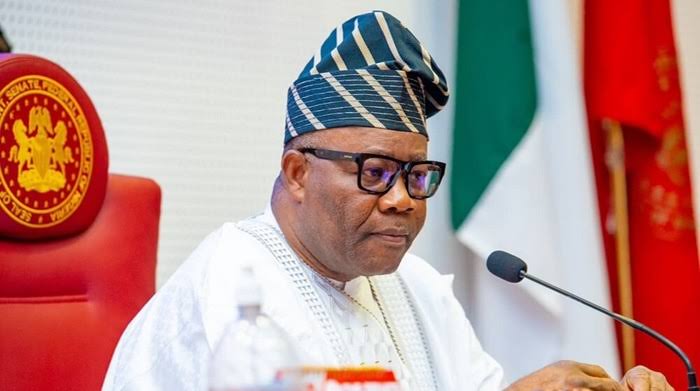
The National Assembly’s proposed ₦50,000 fine for preaching on commercial buses has triggered fresh debate over public conduct, religious freedom, and the need to maintain order on public transportation.
The measure is aimed at addressing the practice of unsolicited preaching and religious activities on buses, where passengers may be unable to avoid participation once a preacher begins speaking.
Supporters of the proposal argue that public transport should remain a neutral space where passengers can travel without being subjected to unwanted religious messages, loudspeakers, singing, or other activities that may disturb other commuters.
They also contend that regulation could help reduce disputes between passengers and preachers and improve order and safety inside commercial vehicles.
However, critics have questioned whether imposing a financial penalty is the appropriate way to address the issue. They argue that freedom of religion and expression must be respected and that enforcement should not become a tool for targeting particular religious groups.
Others believe the government should focus on broader challenges affecting public transportation, including poor road conditions, insecurity, overcrowded buses, reckless driving, high transport fares and inadequate regulation.
The debate has therefore shifted beyond the fine itself to a wider question: how can authorities maintain order in public spaces without unnecessarily restricting legitimate religious expression?
The proposed measure is expected to generate further discussion as lawmakers and stakeholders consider how best to balance commuters’ rights, public order and constitutional freedoms.