
𝗙𝗖𝗧 𝗣𝗼𝗹𝗹𝘀: 𝗜𝗡𝗘𝗖 𝗙𝗮𝗶𝗹𝗲𝗱; 𝗔𝗺𝘂𝗽𝗶𝘁𝗮𝗻 𝗖𝗮𝗻’𝘁 𝗕𝗲 𝗧𝗿𝘂𝘀𝘁𝗲𝗱 𝗪𝗶𝘁𝗵 𝟮𝟬𝟮𝟳 𝗘𝗹𝗲𝗰𝘁𝗶𝗼𝗻 — 𝗢𝗱𝗶𝗻𝗸𝗮𝗹𝘂
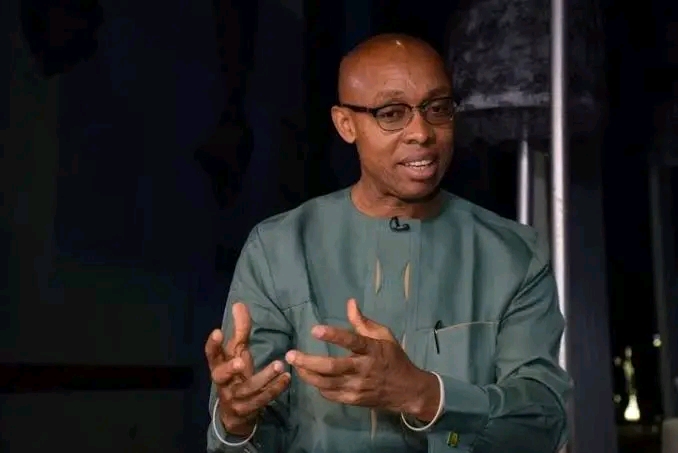
Human rights lawyer and public affairs analyst, Chidi Odinkalu, has criticised the conduct of the recent Federal Capital Territory (FCT) polls, alleging that the Independent National Electoral Commission (INEC) failed to meet the standard expected of a credible electoral body.
Odinkalu, speaking during a public commentary on Nigeria’s electoral process, expressed concerns over what he described as operational lapses, delays, and issues surrounding transparency during the elections. According to him, the shortcomings recorded in the FCT exercise raise serious questions about the preparedness of the commission ahead of the 2027 general elections.
The former chairman of the National Human Rights Commission argued that electoral credibility depends largely on public confidence, stressing that controversies surrounding the poll could weaken trust in the system if not urgently addressed. He noted that leadership at the electoral body must demonstrate independence, fairness, and efficiency to assure Nigerians of credible future polls.
Odinkalu further claimed that the performance of INEC under its current leadership had not inspired confidence among observers and stakeholders, insisting that reforms and accountability were necessary before the next nationwide elections. He warned that failure to address existing concerns could lead to increased political tension and voter apathy.
However, supporters of the electoral body maintain that INEC has continued to improve its processes despite logistical and security challenges that often accompany elections in Nigeria. They argue that isolated incidents should not overshadow broader efforts aimed at strengthening democratic institutions.
As political activities gradually build toward 2027, analysts say debates around electoral transparency, leadership, and institutional reforms are expected to dominate Nigeria’s political discourse, with stakeholders calling for measures that will guarantee credible, peaceful, and inclusive elections.