
𝗠𝗶𝗱𝗱𝗹𝗲 𝗘𝗮𝘀𝘁 𝗰𝗿𝗶𝘀𝗶𝘀: 𝗔𝗗𝗖 𝗰𝗵𝗶𝗲𝗳𝘁𝗮𝗶𝗻 𝘂𝗿𝗴𝗲𝘀 𝗙𝗚 𝘁𝗼 𝗰𝗮𝗽 𝗽𝗲𝘁𝗿𝗼𝗹, 𝗱𝗶𝗲𝘀𝗲𝗹 𝗽𝗿𝗶𝗰𝗲𝘀
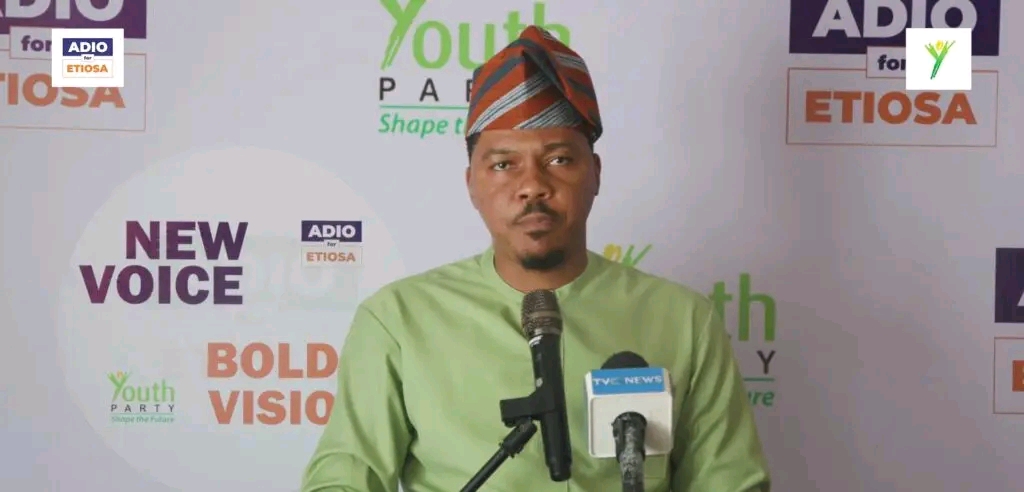
A chieftain of the African Democratic Congress (ADC), Ayodele Adio, has called on the Federal Government to introduce temporary measures to stabilise the prices of petrol and diesel in Nigeria amid rising global oil prices.
Adio made the appeal in a statement issued on Monday in Abuja, warning that escalating tensions in the Middle East could trigger a sharp increase in international crude oil prices, further worsening Nigeria’s fragile economic situation.
According to him, Nigeria remains highly exposed to global fuel price fluctuations because petrol and diesel are central to transportation, electricity generation and business operations across the country.
He explained that petrol fuels the nation’s transportation network, enabling the movement of people and goods, while diesel plays a critical role in powering businesses, hospitals, telecom infrastructure and manufacturing firms due to the country’s unreliable electricity supply.
Adio warned that a significant rise in fuel prices could quickly translate into higher transportation fares, increased food prices and growing operational costs for businesses.
He also pointed out that many small and medium-sized enterprises depend heavily on diesel-powered generators to keep their operations running. Further increases in diesel prices, he said, could force several businesses to scale down their activities or shut down entirely.
“I therefore call on the Federal Government to introduce temporary stabilisation measures, including targeted subsidies or a price cap on petrol and diesel, until the global oil market stabilises,” Adio said.
He clarified that the proposal was not meant to reverse ongoing reforms in Nigeria’s energy sector but rather to provide temporary relief during an exceptional global crisis.
“This is not about reversing long-term reforms. It is about protecting citizens and businesses during an extraordinary global shock,” he added.
Adio stressed that any intervention should be carefully structured and temporary, remaining in place only until international energy markets stabilise and geopolitical tensions in the Middle East subside.
He further warned that without swift government action, rising fuel prices could worsen inflation, reduce purchasing power and deepen the economic challenges already facing many Nigerian households and businesses.
According to him, a temporary subsidy or price cap could help cushion the impact on Nigerians while sustaining economic activities during this period of global uncertainty.