
𝐈𝐧𝐚𝐝𝐞𝐪𝐮𝐚𝐭𝐞 𝐞𝐪𝐮𝐢𝐩𝐦𝐞𝐧𝐭 𝐟𝐫𝐮𝐬𝐭𝐫𝐚𝐭𝐞𝐬 𝐡𝐨𝐬𝐩𝐢𝐭𝐚𝐥𝐬 𝐚𝐬 𝐅𝐆 𝐫𝐞𝐥𝐞𝐚𝐬𝐞𝐬 𝐍𝟑𝟔𝐦 𝐟𝐨𝐫 𝐜𝐚𝐩𝐢𝐭𝐚𝐥 𝐩𝐫𝐨𝐣𝐞𝐜𝐭𝐬
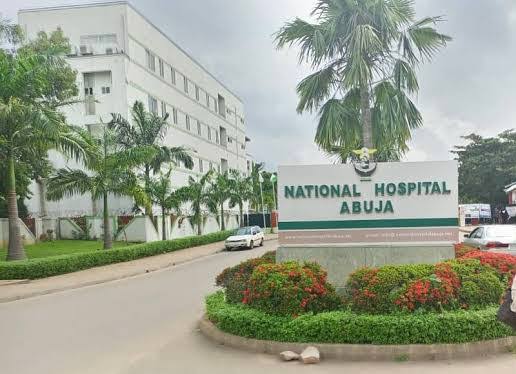
The release of only N36 million from the N218 billion capital allocation for Nigeria’s health sector in the 2025 budget has sparked concern among medical stakeholders, who warn that inadequate funding may further weaken public hospitals already struggling with outdated equipment and manpower shortages.
Healthcare professionals say many government-owned facilities across the country continue to operate with obsolete diagnostic tools, insufficient beds and poorly maintained infrastructure, making it difficult to deliver quality services to patients. They argue that the slow release of capital funds has stalled critical projects meant to upgrade hospitals and expand access to modern medical technology.
Industry experts also linked the situation to the rising wave of health worker migration, popularly known as “brain drain,” noting that poor working conditions and limited equipment contribute significantly to the decision of many doctors and nurses to seek opportunities abroad. According to them, the shortage of skilled personnel has increased pressure on the few professionals remaining in the system, leading to longer waiting times and reduced patient care standards.
Public health advocates have called on the Federal Government to urgently accelerate the disbursement of capital funds and prioritise investments in essential equipment, training and infrastructure. They stressed that without sustained funding, Nigeria’s healthcare system may struggle to cope with growing population demands and emerging health challenges.
Officials in the health sector, however, maintain that efforts are ongoing to address funding gaps and improve service delivery through phased releases and ongoing reforms aimed at strengthening primary and tertiary healthcare facilities nationwide.