
Why Petrol Prices’ll Remain High — Dangote
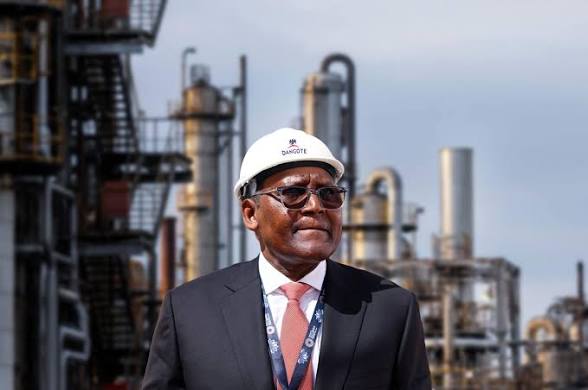
The management of Dangote Refinery has explained that petrol prices in Nigeria may remain elevated despite the commencement of domestic refining operations, citing strong global market pressures and geopolitical tensions affecting crude oil supply.
Officials of the refinery noted that while local refining was expected to ease dependence on imports and reduce pump prices, ongoing crises in the Middle East — a major global oil-producing region — have continued to disrupt supply chains and push up crude costs on the international market.
According to the company, the price of crude oil remains the single most important factor in determining the final retail price of petrol. As global oil prices rise due to conflicts, shipping risks, and production uncertainties, the cost of refining and distributing fuel also increases, limiting the extent to which local production can lower prices.
The refinery’s management further explained that exchange rate volatility, logistics expenses, and financing costs have also contributed to sustained high pump prices across the country. These economic realities, they said, have reduced the immediate cushioning effect Nigerians had expected from domestic refining capacity.
However, the company maintained that as production stabilises and supply improves over time, the long-term impact of local refining could still support price moderation and improve fuel availability nationwide.
Industry analysts have also pointed out that structural reforms in the downstream sector, improved crude supply arrangements, and a more stable global oil market will be key factors in determining future petrol price trends in Nigeria.