
US–Iran war will affect Africa, says Toyin Falola
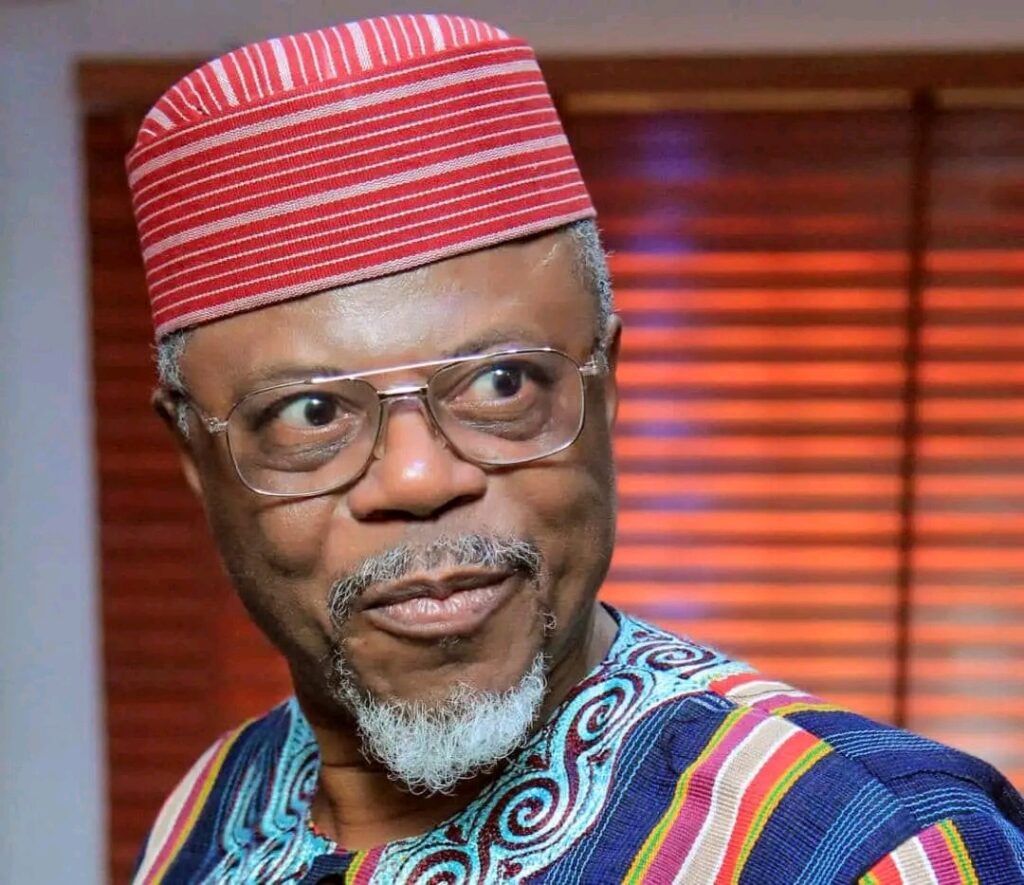
Toyin Falola, a professor of history, has dismissed claims that Iran poses a direct threat to the United States, warning that any escalation into a full-scale US–Iran war would have far-reaching consequences for Africa.
Falola made the remarks on Saturday during the February edition of Diaspora Dialogues, a virtual forum themed ‘Being African in Trump’s America in the Age of ICE Raids’.
‘Africa Will Not Be Spared’
Speaking at the event, the historian argued that conflicts in the Middle East rarely remain confined to the region, noting that global power struggles often have ripple effects across developing economies.
According to him, a military confrontation between Washington and Tehran could disrupt global oil markets, increase inflation, and trigger economic instability in African nations that are already grappling with fragile currencies and debt pressures.
“A US–Iran war will not happen in isolation,” Falola said. “Africa, which depends heavily on global trade systems, energy imports and exports, and international political alignments, will inevitably feel the shockwaves.”
Oil Prices and Economic Pressure
Falola explained that oil-producing African countries could initially see higher revenues due to a spike in global crude prices. However, he warned that prolonged instability would likely hurt supply chains, increase transportation costs, and worsen living conditions for ordinary citizens.
He added that non-oil-producing African nations would be particularly vulnerable to rising fuel costs, food inflation, and currency depreciation.
Political and Security Implications
Beyond economics, Falola cautioned that a US–Iran conflict could deepen geopolitical divisions across Africa, forcing governments to navigate complex diplomatic choices between global powers.
He also warned of potential security consequences, including increased extremist activity in regions already battling insurgency.
On Iran as a Direct Threat
Addressing claims that Iran represents an imminent danger to the United States, Falola described such narratives as exaggerated, arguing that geopolitical tensions are often shaped by strategic interests rather than immediate existential threats.
He called for diplomacy over confrontation and urged global leaders to prioritise de-escalation to avoid wider instability.
The Diaspora Dialogues forum brought together academics, policy analysts, and members of the African diaspora to examine global political shifts and their impact on African communities abroad.