
Senate Crisis Deepens as Akpabio Heads to Supreme Court Over Natasha
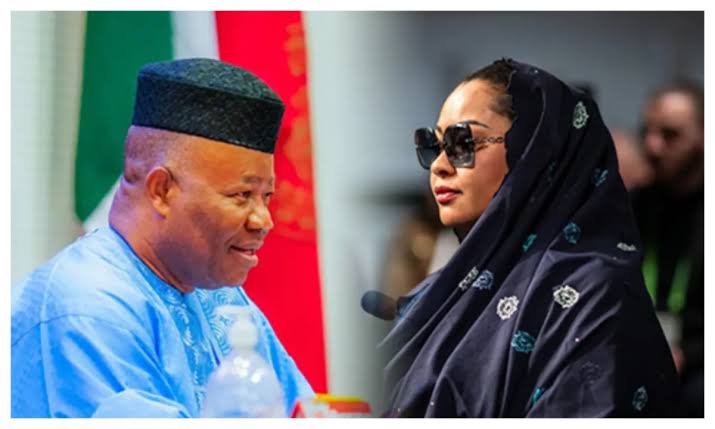
The leadership crisis rocking the Nigerian Senate has taken a new turn as Senate President Godswill Akpabio has escalated the legal battle surrounding the suspension of Senator Natasha Akpoti-Uduaghan to the Supreme Court.
Akpabio’s decision follows conflicting judgments from lower courts over the legality of the Kogi Central lawmaker’s suspension, which has continued to stir controversy within political and legal circles.
Senator Akpoti-Uduaghan was suspended by the Senate over alleged breaches of legislative rules, a move she strongly contested, insisting that her suspension was politically motivated and violated her constitutional right to represent her constituents.
She subsequently approached the courts, where a Federal High Court issued orders questioning the Senate’s action and directing that she be allowed to resume her legislative duties pending the determination of the substantive suit.
However, the Senate leadership, led by Akpabio, rejected the ruling, arguing that the judiciary lacked the power to interfere in the internal affairs of the National Assembly. This disagreement triggered a series of legal confrontations, culminating in the decision to seek a final interpretation from the apex court.
In the appeal filed at the Supreme Court, Akpabio is asking the justices to determine whether the Senate has the constitutional authority to discipline its members without judicial interference, and whether the suspension of Senator Akpoti-Uduaghan was lawful.
Legal analysts say the case could set a far-reaching precedent on the limits of legislative powers and the role of the judiciary in parliamentary disputes.
Meanwhile, supporters of Senator Akpoti-Uduaghan have continued to call for her immediate reinstatement, warning that prolonged suspension denies the people of Kogi Central effective representation.
As the Supreme Court prepares to hear the matter, the crisis has further deepened tensions within the Senate, with observers closely watching what could become a landmark ruling in Nigeria’s democratic and constitutional history.