
Obi Benefited from Religious, Tribal Sentiments in 2023 — Kogi Rep
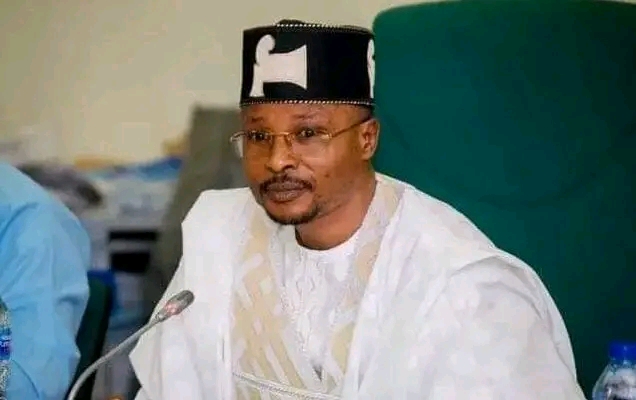
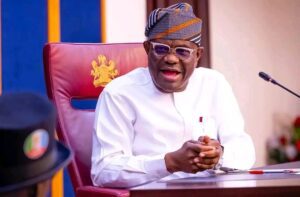
A member of the House of Representatives from Kogi State, Leke Abejide, has claimed that Peter Obi benefited largely from religious and tribal sentiments during the 2023 presidential election.
Abejide said the dynamics that boosted Obi’s performance in the last general election are unlikely to be repeated in future polls, particularly as Nigeria approaches the 2027 election cycle.
Speaking during a political discussion, the lawmaker argued that emotions surrounding religion and ethnicity played a significant role in shaping voter behaviour in 2023, especially in parts of the country where identity politics was prominent.
According to him, many voters did not necessarily cast their ballots based on party ideology or policy direction, but rather on emotional alignment linked to religion and ethnicity.
“Peter Obi benefitted massively from religious and tribal sentiments in 2023. That environment helped him, but it may not be the same going forward,” Abejide said.
He added that future elections would likely be driven more by political structure, party strength, and strategic alliances rather than sentiments, stressing that candidates would need broader national appeal to succeed.
Abejide also noted that political awareness among Nigerians has continued to evolve, suggesting that voters may become more critical of candidates’ records, experience, and capacity as the next election approaches.
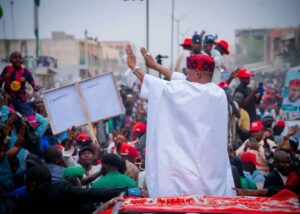
Peter Obi, the presidential candidate of the Labour Party in the 2023 election, enjoyed widespread support among youths and urban voters, particularly in the South-East and parts of the South-South and North-Central regions. His campaign was widely associated with the Obidient Movement, which mobilised large numbers of first-time voters.
However, Abejide maintained that while Obi’s performance was impressive, the political factors that shaped the 2023 outcome would not automatically guarantee similar results in subsequent elections.
The comments have since sparked debate among political observers and supporters, with contrasting views on the role of identity politics in Nigeria’s electoral process.