
NNPP Demands Probe Of Kwankwaso Over Alleged US Terror Listing
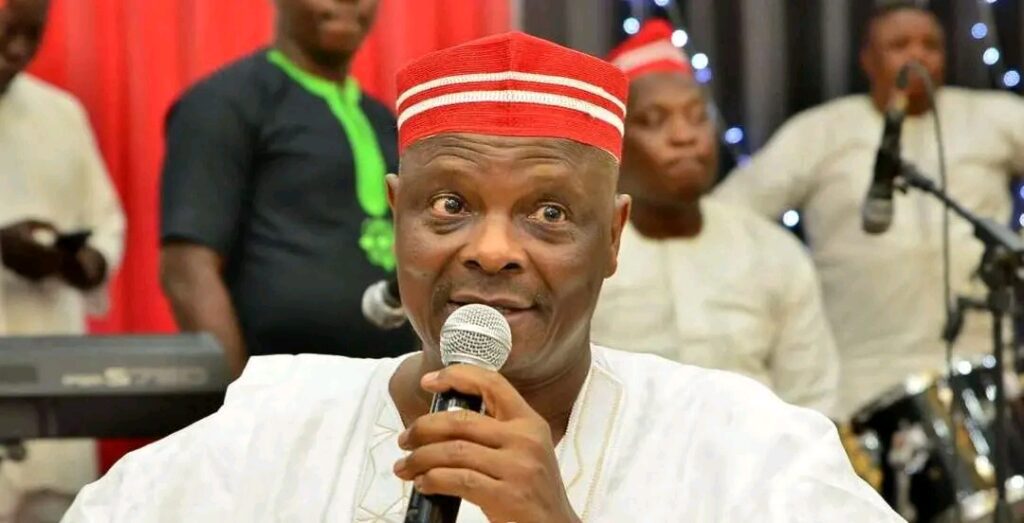
The New Nigeria People’s Party (NNPP) has called on Nigeria’s security agencies to investigate allegations circulating online that its national leader and former presidential candidate, Senator Rabiu Musa Kwankwaso, was included in a proposed United States terrorism-related listing.
In a statement issued on Monday, the party urged the Department of State Services (DSS), the Nigeria Police Force, and other relevant authorities to clarify the claims, stressing that the issue had generated widespread debate and confusion within political circles and among supporters.
According to NNPP officials, the party considers the allegations serious and believes an independent probe would help establish the facts, protect democratic integrity, and prevent the spread of misinformation. The party maintained that transparency was necessary to avoid unnecessary political tension ahead of future electoral activities.
The controversy follows reports that some United States lawmakers proposed measures targeting individuals and groups allegedly linked to violence and religious persecution in Nigeria. However, the reports have remained subject to varying interpretations, with no official confirmation from US authorities directly naming Kwankwaso as a sanctioned individual.
NNPP leaders described the situation as politically sensitive and urged Nigerians to rely only on verified information from credible sources. They warned against using unverified claims to damage reputations or inflame ethnic and political divisions.
Reacting to the development, party members insisted that Kwankwaso has consistently advocated peace, national unity, and democratic governance, adding that any allegation suggesting otherwise should be thoroughly examined through proper legal and diplomatic channels.
Security analysts say the call for an investigation may further deepen political debate as parties position themselves ahead of future elections. Some observers also noted that allegations involving foreign policy issues often require clarification through official diplomatic communication rather than speculation.
As of press time, neither US authorities nor Nigerian security agencies had issued formal statements confirming any terrorism designation against the former Kano State governor. The situation continues to generate reactions across Nigeria’s political landscape, with calls for restraint and fact-checking dominating public discourse.