
Nigerians Back Gov Bago on Single Tenure for Governors, President
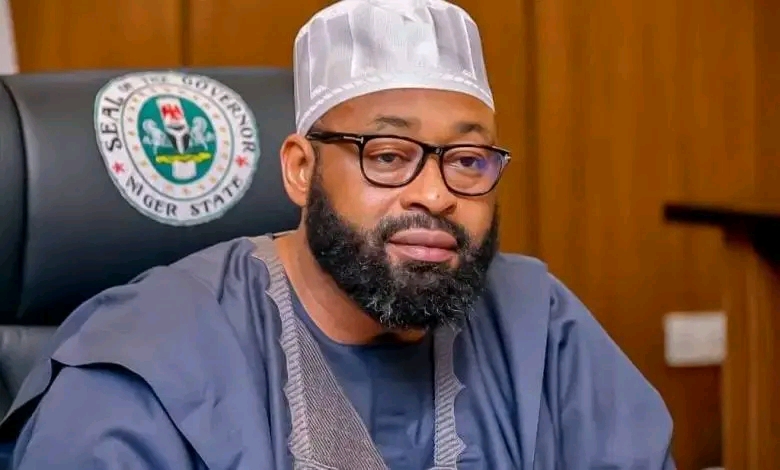
Nigerians Back Gov Bago on Single Tenure for Governors, President
Governor Mohammed Umaru Bago of Niger State has stirred nationwide debate following his bold advocacy for a single-term tenure for governors and the President, a position that has since gained significant public backing.
Bago, speaking at a public engagement last month, argued that Nigeria’s current two-term system fuels excessive politicking and distracts leaders from effective governance. According to him, elected officials often spend a substantial part of their first term preparing for re-election instead of focusing squarely on development and service delivery.
The governor maintained that a single, non-renewable tenure would free leaders from re-election pressure, allowing them to concentrate on long-term policies, impactful projects, and people-oriented governance without fear or favour.
His comments resonated with many Nigerians across Nigeria, especially on social media, where citizens described the proposal as “honest,” “realistic,” and “long overdue.” Supporters believe the reform could reduce the high cost of elections, curb abuse of incumbency, and minimise political tension associated with second-term ambitions.
Several political analysts also noted that a single-term system could strengthen accountability, as leaders would be judged strictly on performance rather than campaign rhetoric. They argue that knowing there is no second chance could push officeholders to prioritise legacy projects and meaningful reforms.
However, critics of the proposal caution that removing re-election may weaken democratic incentives, as leaders may feel less compelled to perform optimally without the prospect of returning to office.
Despite differing opinions, Governor Bago’s stance has reignited conversations around constitutional reforms and governance efficiency, with many Nigerians calling for broader national dialogue on restructuring the political tenure system.
As the debate continues, one thing is clear: Bago’s “brutal truth” has struck a chord and forced the nation to confront long-standing questions about leadership focus, accountability, and the true cost of politics in Nigeria.