
FUBARA MISTAKE FOR RIVERS’ — SPEAKER AS LAWMAKERS LIST ALLEGED OFFENCES
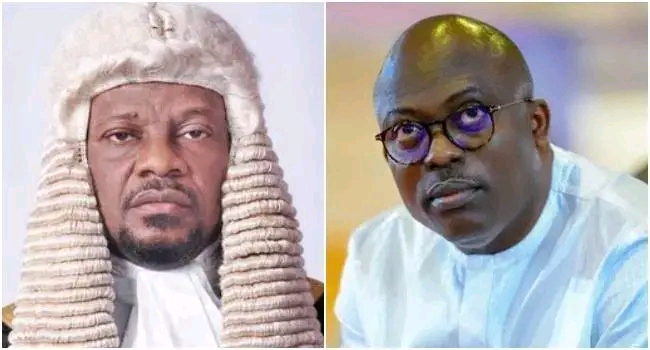
The Rivers State House of Assembly has formally initiated impeachment proceedings against Siminalayi Fubara, with the Speaker, Martins Amaewhule, declaring that the governor’s emergence as leader of the state was a “mistake.”
Amaewhule made the remark during plenary on Thursday as lawmakers adopted a motion to commence impeachment proceedings against Governor Fubara and his deputy over allegations of gross misconduct.
According to the Speaker, the House could no longer ignore what he described as repeated violations of the constitution, disrespect for legislative authority, and actions capable of undermining governance in the state. He accused the governor of failing to recognise the Assembly as a co-equal arm of government and acting in ways that allegedly threatened democratic order in Rivers State.
During the session, lawmakers listed several alleged offences against the governor, including claims of constitutional breaches, disregard for court processes, and actions said to have frustrated legislative functions. Although the full details of the allegations were not exhaustively debated on the floor, the House resolved that they were weighty enough to trigger the impeachment process as provided under Section 188 of the 1999 Constitution (as amended).
Amaewhule insisted that the move was not driven by personal vendetta or political witch-hunt but by the Assembly’s constitutional duty to protect democracy and ensure accountability in governance.
“The Rivers people deserve leadership that respects the rule of law and the constitution,” the Speaker said, adding that the House would follow due process in handling the impeachment proceedings.
As of the time of filing this report, Governor Fubara and the state government had yet to issue an official response to the accusations and the impeachment move.
The development further deepens the political crisis in Rivers State, with analysts warning that the unfolding confrontation between the executive and the legislature could have far-reaching implications for governance and stability in the state.