
2027: Is PDP collapsing because Wike is ‘holding it down’ for Tinubu or due to internal crisis?
Fresh concerns have emerged over the future of Nigeria’s main opposition party, the Peoples Democratic Party (PDP), as political observers and party stakeholders debate the causes of its deepening internal crisis ahead of the 2027 general elections.
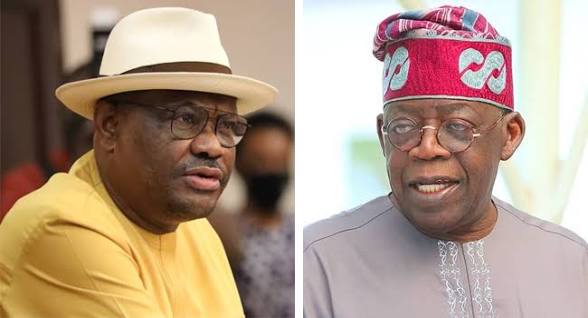
The crisis, which has lingered since the aftermath of the 2023 elections, has been worsened by persistent leadership disputes, factional alignments, and disagreements over the party’s direction. While some members accuse former Rivers State governor and current Federal Capital Territory minister, Nyesom Wike, of undermining the PDP’s unity, others insist that the party’s challenges stem primarily from long-standing structural and ideological divisions.
Allegations of external influence
A section of PDP loyalists has alleged that Wike’s political relationship with the ruling All Progressives Congress (APC) administration has weakened the party’s ability to function as a strong opposition. Critics argue that his influence within the PDP has contributed to internal divisions, particularly in states where rival factions are battling for control of party structures.
These concerns have fueled speculation that the opposition party may struggle to present a united front in the build-up to the 2027 elections if the current situation persists.
Internal disagreements and leadership tussles
However, another group within the PDP maintains that the party’s troubles are largely self-inflicted. They point to unresolved issues such as zoning arrangements, leadership contests, and disagreements over candidate selection processes as the real drivers of the crisis.
Political analysts also note that the PDP has faced recurring factional disputes since losing power at the federal level in 2015, suggesting that the present tensions are part of a broader pattern rather than the result of a single individual’s actions.
Calls for reconciliation
Several party elders and stakeholders have called for urgent reconciliation efforts, warning that continued infighting could weaken the PDP’s chances in future elections. They urged the National Working Committee and other influential figures to prioritise unity and rebuild public confidence in the party.
Observers say the coming months will be crucial in determining whether the PDP can resolve its internal differences and reposition itself as a credible opposition force ahead of the next electoral cycle.
While the debate over the causes of the party’s crisis continues, many members agree on one point — that without meaningful reforms and a unified leadership strategy, the PDP risks further decline as Nigeria’s political landscape evolves.