
Oil wells: No propaganda can overturn A’Ibom’s ownership rights — Eno

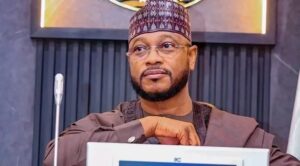
Akwa Ibom State Governor, Umo Eno, has reaffirmed the state’s legal ownership of disputed oil wells, insisting that no political pressure or propaganda can overturn existing court rulings that favour the state.
The governor made the statement amid renewed debates over the ownership of certain oil-producing areas, particularly following claims and counter-claims involving neighbouring Cross River State. According to him, the issue has already been settled by the Supreme Court, and the judgments remain binding on all parties.
Eno explained that two separate decisions of the apex court clearly affirmed Akwa Ibom’s rights over the oil wells, stressing that attempts to reopen the matter through public campaigns or political narratives would not change the legal position. He noted that his administration remains committed to protecting the economic interests of the state while maintaining peaceful relations with neighbouring states.
The governor urged stakeholders and political actors to avoid statements capable of creating tension in the Niger Delta region. He added that Akwa Ibom would continue to rely on lawful processes and constitutional provisions rather than engage in unnecessary disputes.
While acknowledging the importance of cooperation among oil-producing states, Eno said development and stability in the region require mutual respect for judicial decisions. He emphasised that the state government would continue to pursue policies aimed at maximising the benefits of its natural resources for infrastructure, job creation, and social welfare.
The renewed conversation over oil well ownership has drawn reactions from political leaders and community groups, many of whom have called for dialogue and adherence to the rule of law. Analysts say the issue remains significant because revenue from oil production plays a major role in federal allocations to states.
Despite the controversy, the Akwa Ibom governor maintained that the legal framework is clear and that the state’s focus is on economic growth, peace, and sustainable development rather than prolonged disputes.