
Senate Reconvenes as Electoral Act Triggers National Uproar
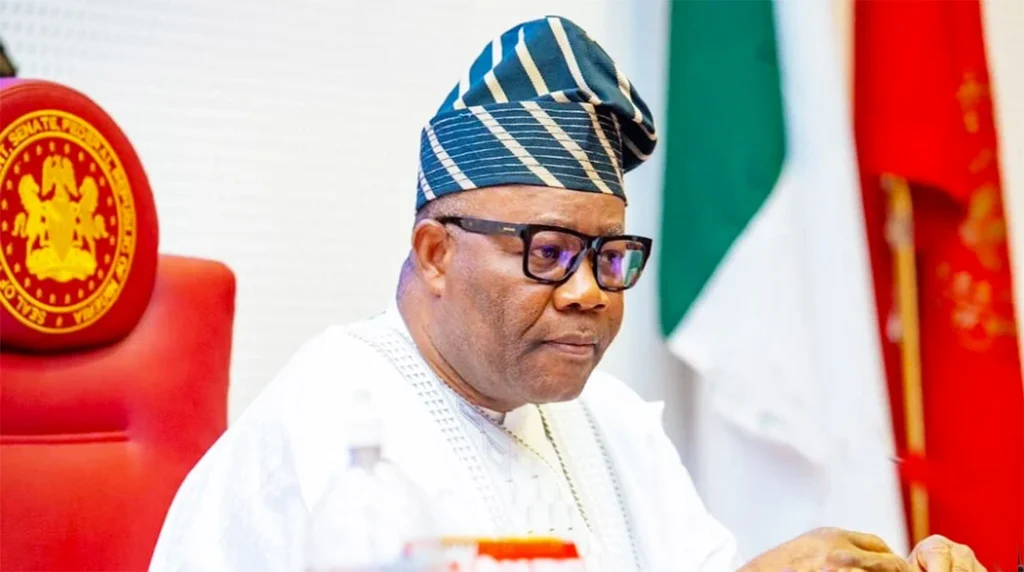
The Senate will reconvene today (Tuesday) for an emergency plenary session amid rising national outrage over its handling of amendments to the Electoral Act, particularly the controversial removal of the clause mandating real-time electronic transmission of election results.
The extraordinary sitting comes less than a week after the passage of the Electoral Act Amendment Bill, 2026, a development that has sparked widespread criticism across the country. Civil society organisations, opposition parties, labour unions, professional bodies, regional leaders, and youth groups have all condemned the decision, describing it as a setback to electoral transparency and democratic accountability.
In recent days, protests have intensified, with demonstrators storming the gates of the National Assembly to demand a reversal of the amendment. Critics argue that removing the electronic transmission clause undermines electoral credibility and opens the door to manipulation.
The President of the Senate, Godswill Akpabio, is expected to preside over the plenary session, which will be attended by 105 senators.
The Senate has seen a reduction in its membership in the past six months following the deaths of Okechukwu Ezea and Godiya Akwashiki. Another lawmaker, Jimoh Ibrahim, recently vacated his seat after being appointed an ambassador-designate by President Bola Tinubu. These developments have reduced the number of senators from 109 to 106.
The emergency plenary was officially announced on Sunday in a statement signed by the Clerk of the Senate, Emmanuel Odo.
Political observers say the outcome of today’s sitting could determine whether the Senate softens its stance in response to public pressure or maintains its position despite the growing backlash.
As tensions rise nationwide, many Nigerians are watching closely to see whether lawmakers will revisit the contentious provision or allow the amendment to stand, a move that could significantly shape the credibility of future elections.