
Tinubu Can’t Be Missing in Action
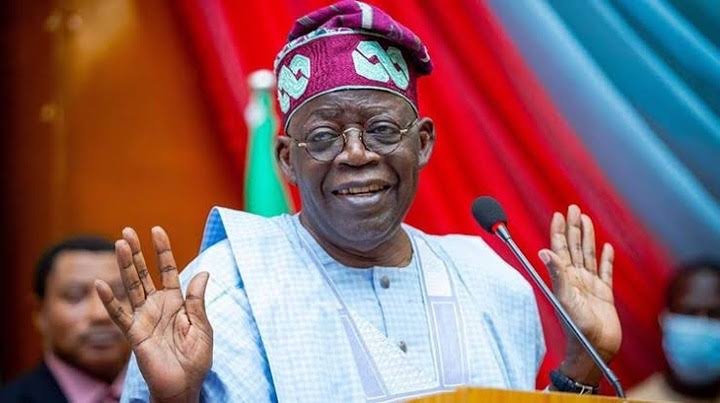
As Nigeria grapples with worsening insecurity, rising inflation, and widespread economic hardship, questions are increasingly being raised about President Bola Tinubu’s frequent foreign travels and their timing.
In recent months, the President has embarked on several overseas trips, often explained by the Presidency as efforts to attract foreign investment, strengthen diplomatic ties, and reposition Nigeria on the global stage. However, critics argue that the optics of repeated travels are troubling at a time when many Nigerians feel abandoned amid daily struggles.
Across several states, insecurity remains a major concern, with reports of banditry, kidnappings, and violent attacks continuing to unsettle communities. At the same time, economic pressures have intensified, with food prices soaring, the cost of transportation rising, and purchasing power declining for millions of households.
Against this backdrop, some Nigerians believe the President’s physical presence at home carries symbolic and practical importance. For them, leadership is not only about policy decisions and international engagements but also about visibility, reassurance, and direct coordination during difficult moments.
Supporters of the President, however, maintain that global engagement is a key part of modern governance. They argue that Nigeria cannot isolate itself from international economic and diplomatic processes, especially as the government seeks investment, debt relief, and partnerships to stabilise the economy.
Presidential aides have repeatedly stated that governance does not pause because the President is abroad, noting that Tinubu remains in constant communication with key officials and continues to make critical decisions wherever he is.
Still, political analysts say the challenge lies in balancing international diplomacy with domestic urgency. According to them, frequent foreign trips, even when well-intentioned, risk being perceived as detachment unless accompanied by visible progress at home.
They stress that at moments of national anxiety, citizens expect their leader to be actively seen confronting problems, offering direction, and rallying confidence.
As Nigeria navigates one of its most demanding periods in recent history, the debate over President Tinubu’s travels underscores a broader concern: the need for leadership that is both globally engaged and unmistakably present at home.
In times like these, many Nigerians insist, the President cannot afford to be seen as missing in action.