
Nigeria Won Civil War but Didn’t Know How to Win Peace – Alabi-Isama
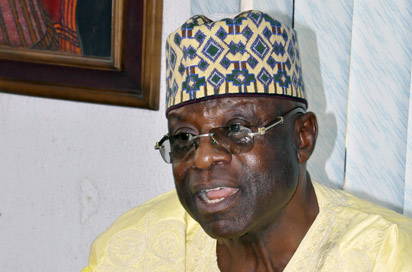
Brigadier General Godwin Alabi-Isama (retd) has said that although Nigeria emerged victorious from the Nigerian Civil War, the country failed to secure lasting peace after the conflict, a lapse he believes continues to fuel insecurity and separatist agitations decades later.
Alabi-Isama, a key figure during the war, made the remarks while reflecting on the roots of Nigeria’s present security challenges, including renewed Biafra-related agitation in the South-East and persistent distrust between the state and sections of the population.
The retired general served as chief of staff to Brigadier Benjamin Adekunle, the then commanding officer of the 3 Marine Commando during the Nigerian Civil War, also known as the Biafra War.
According to Alabi-Isama, Nigeria’s post-war slogan of “No Victor, No Vanquished” was not fully matched by concrete reconciliation policies capable of healing deep ethnic wounds, reintegrating affected communities, and addressing grievances that arose from the conflict.
“We won the war militarily, but we did not win the peace,” he said. “Winning peace requires justice, inclusion, truth, and deliberate reconciliation. Those things were not fully achieved.”
He argued that unresolved post-war issues, including marginalisation, economic imbalance, and the absence of genuine national dialogue, laid the foundation for future unrest and insecurity.
Alabi-Isama warned that relying solely on military force to suppress agitation without addressing historical grievances could worsen tensions, stressing that peacebuilding must go beyond security operations.
“The military can end violence, but it cannot end grievances,” he noted. “If the causes of anger and alienation remain, conflict will always resurface in one form or another.”
The retired officer also linked Nigeria’s current insecurity—ranging from separatist movements to insurgency and communal violence—to failures in governance, leadership accountability, and national integration since the end of the civil war in 1970.
He urged Nigerian leaders to confront the country’s history honestly, engage in inclusive dialogue, and pursue policies that promote fairness and unity across all regions.
Observers say Alabi-Isama’s comments add to a growing chorus of voices calling for a reassessment of Nigeria’s post-civil-war settlement and a renewed focus on reconciliation as a pathway to lasting peace.
As Nigeria continues to battle widespread insecurity, his reflections serve as a reminder that ending war is not the same as building peace—and that unresolved history can shape present-day instability.