

What Nigerians Must Know About the Country’s Tax Laws
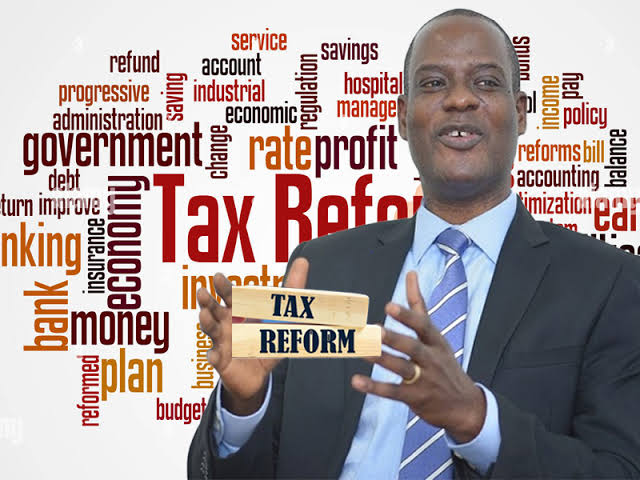
As Nigeria intensifies efforts to boost non-oil revenue, understanding the nation’s tax laws has become increasingly important for individuals, workers, and business owners.
Nigeria operates a multi-layered tax system administered by federal and state authorities, with compliance now more strictly enforced through digital monitoring and reforms.
Personal Income and Company Taxes
Individuals earning income in Nigeria are required to pay Personal Income Tax (PIT), usually deducted at source under the Pay As You Earn (PAYE) system. This tax is administered by state tax authorities, depending on where the taxpayer resides.
For businesses, Companies Income Tax (CIT) applies to registered companies and is collected by the Federal Inland Revenue Service (FIRS). Large companies pay up to 30 per cent, medium-sized firms pay 20 per cent, while small businesses with low turnover are exempt under current tax incentives.
VAT and Other Common Taxes
Value Added Tax (VAT) remains one of the government’s major revenue sources. At 7.5 per cent, VAT is charged on most goods and services, though essential items such as basic food, medical services, and educational materials are exempt.
Other common taxes include Withholding Tax, deducted on rents, contracts, dividends, and professional services, as well as Capital Gains Tax, charged on profits from the sale of assets such as land, buildings, and shares.
Stamp duties also apply to legal and commercial documents, including tenancy agreements, share transfers, and loan instruments.
TIN, Filing, and Compliance
Every taxpayer — individual or corporate — is required to obtain a Tax Identification Number (TIN), which is now mandatory for banking transactions, company registration, and government dealings.
Annual filing of tax returns is compulsory, and failure to comply attracts penalties, interest charges, and possible legal action. Tax authorities have warned that ignorance of tax obligations does not excuse non-compliance.
Reforms and Enforcement Drive
Recent tax reforms are aimed at widening the tax net, reducing multiple taxation, and digitising collections to block leakages. The federal government has repeatedly stated that improved tax compliance is key to funding infrastructure, healthcare, education, and security.
Right to Appeal
Taxpayers who dispute assessments have the right to challenge them through formal objections, alternative dispute resolution, or the courts. Experts advise individuals and businesses to seek professional guidance where necessary.