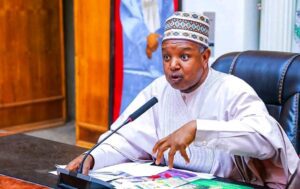

𝗡𝗶𝗴𝗲𝗿 𝗗𝗲𝗹𝘁𝗮 𝗴𝗿𝗼𝘂𝗽 𝘂𝗿𝗴𝗲𝘀 𝗧𝗶𝗻𝘂𝗯𝘂 𝘁𝗼 𝗶𝘀𝘀𝘂𝗲 𝗲𝘅𝗲𝗰𝘂𝘁𝗶𝘃𝗲 𝗼𝗿𝗱𝗲𝗿 𝗼𝗻 13% 𝗱𝗲𝗿𝗶𝘃𝗮𝘁𝗶𝗼𝗻 𝗳𝘂𝗻𝗱

A coalition of Niger Delta advocacy groups has called on President Bola Tinubu to issue an executive order that will ensure the 13 percent derivation fund directly benefits oil-producing communities across the region.
The group made the appeal during a press briefing on Tuesday, arguing that despite constitutional provisions for derivation funds, many host communities continue to experience underdevelopment, environmental degradation, and limited access to basic infrastructure.
According to the coalition, the proposed executive order would strengthen transparency and accountability in how derivation funds are managed by state governments. They maintained that a clear framework would help guarantee that resources allocated to oil-producing areas translate into visible development projects such as roads, healthcare facilities, schools, and environmental remediation initiatives.
Spokespersons for the group said the Niger Delta remains central to Nigeria’s economic survival, stressing that communities that bear the impact of oil exploration deserve direct and measurable benefits. They urged the federal government to work with stakeholders, including state authorities, traditional leaders, and civil society organisations, to design a system that prioritises grassroots development.
The advocates also highlighted growing youth unemployment and environmental challenges in parts of the region, warning that failure to address longstanding grievances could undermine peace and stability.
While there has been no official response from the presidency at the time of filing this report, policy analysts say the call reflects renewed debate over fiscal federalism and resource control in Nigeria.
Observers note that any executive action on the 13 percent derivation fund would likely spark discussions between the federal government and oil-producing states over implementation, oversight, and constitutional considerations.