
𝗖𝗵𝗶𝗻𝗮 𝘁𝗼 𝘀𝗰𝗿𝗮𝗽 𝘁𝗮𝗿𝗶𝗳𝗳𝘀 𝗳𝗼𝗿 𝗔𝗳𝗿𝗶𝗰𝗮𝗻 𝗻𝗮𝘁𝗶𝗼𝗻𝘀 𝗳𝗿𝗼𝗺 𝗠𝗮𝘆, 𝘀𝗮𝘆𝘀 𝗫𝗶 𝗝𝗶𝗻𝗽𝗶𝗻𝗴
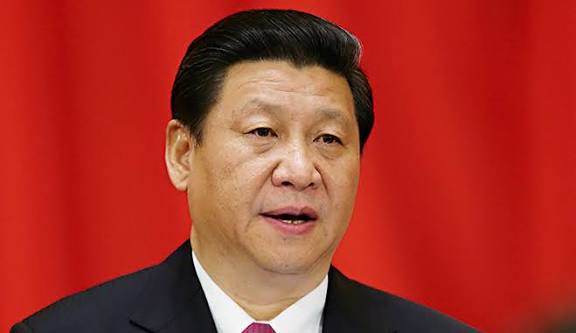
China has announced plans to remove tariffs on imports from 53 African countries beginning May 1, in a move aimed at strengthening trade ties and boosting economic cooperation with the continent.
Chinese President Xi Jinping disclosed the policy shift during high-level discussions on economic partnership with African leaders, describing the initiative as part of Beijing’s broader strategy to deepen South-South cooperation and promote shared development.
According to Chinese authorities, the expanded zero-tariff policy is expected to increase market access for African agricultural products, manufactured goods and raw materials, potentially opening new opportunities for exporters seeking entry into the Chinese market. Officials say the measure will help reduce trade barriers, enhance industrial growth and support economic diversification across African economies.
Analysts note that the policy could benefit countries with strong export sectors, particularly in agriculture, minerals and textiles. However, trade experts have also cautioned that African nations may need to improve production capacity, logistics and quality standards to fully take advantage of the initiative.
China remains one of Africa’s largest trading partners, with bilateral trade volumes rising steadily over the past decade. The tariff removal is expected to further strengthen economic ties while positioning Beijing as a key partner in Africa’s development agenda.
More details are expected as implementation guidelines and eligible product categories are released ahead of the May rollout.